Sharing our harms can become harmful
“The essential purpose of incarceration is rehabilitation…” This statement is contained in Penal Code 1170, spelling out California lawmakers’ intent regarding incarceration. The sentiment is remarkable in that, prior to 2016, the Penal Code read that the “purpose of imprisonment for crime is punishment.”
But, for incarcerated individuals in California, how is rehabilitation achieved?
One key way incarcerated persons rehabilitate themselves is through self-help groups. Self-help groups, whether peer-facilitated or offered through programs sponsored by the California Department of Corrections and Rehabilitation, offer a space for individuals to talk about their issues, find healthy coping skills, feel a sense that they are not alone, correct cognitive distortions, and learn new ways of thinking, to name some.
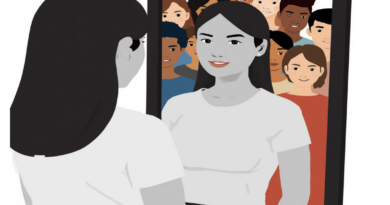
Self-help groups also allow participants to share the harms they have caused and the harms that have been done to them. In sharing such deep-seated and personal issues, individuals can find healing and eliminate the shame and stigma associated with trauma.
Self-help groups sound great, don’t they? They can be, but they can also lead to harms of their own.
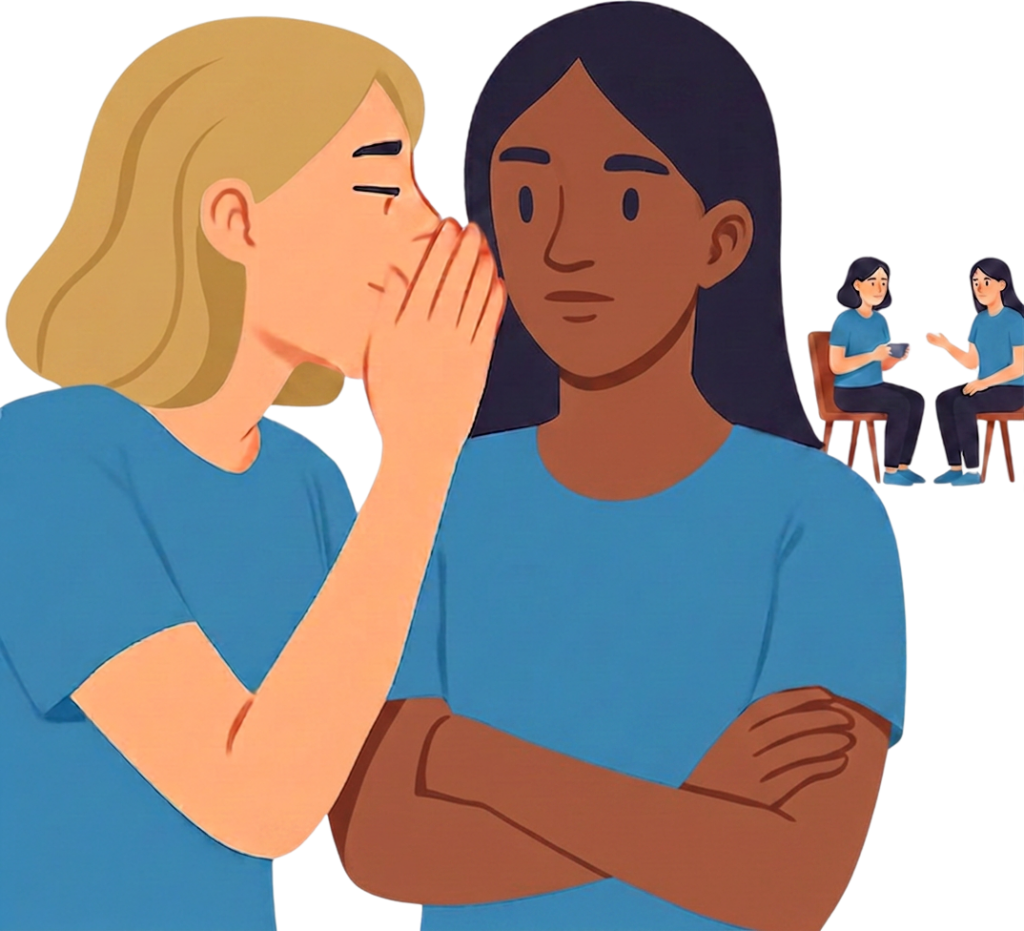
A key principle of the majority of self-help groups at Central California Women’s Facility is confidentiality. Generally, during the first session, the rules or group norms are established, chief among them confidentiality. Facilitators and many group participants understand that, in order for everyone to feel safe sharing their stories, everyone must keep the discussions confidential. While it may be tempting to go back to one’s housing unit and gossip about the drama someone is having in their room or what a person did to come to prison, the fact is, that behavior is harmful. It is harmful to the person being talked about, and it is harmful to the entire group.
That may sound extreme, but research published in the April 2025 issue of the American Medical Association Journal of Ethics indicates that trust allows people to feel comfortable disclosing their most intimate and private information, which is necessary for effective treatment. In the context of this particular study, the researcher Amber R. Comer focused specifically on the relationship between a physician and incarcerated patients. We’d argue the findings are transferable to group settings too.
Over the years, we have heard about confidentiality in groups being broken and some of the repercussions. We’ve heard about people being assaulted, confronted, ridiculed, and intimidated. We’ve heard how some people no longer want to attend any self-help groups after experiencing a breach of confidentiality. All of these things are sad in their own way, but most of all, the fact that people may not be able – for one reason or another – to engage in rehabilitative programming is the saddest.
Creating space for healing and allowing trust to develop are gifts we give ourselves and others when we attend any self-help group. While you are incarcerated, allow yourself to heal and try to answer the question, “Why do I do what I do?” And, as you do, allow that same process to occur for others in your group by maintaining confidentiality.