CCWF Paper Trail turns one
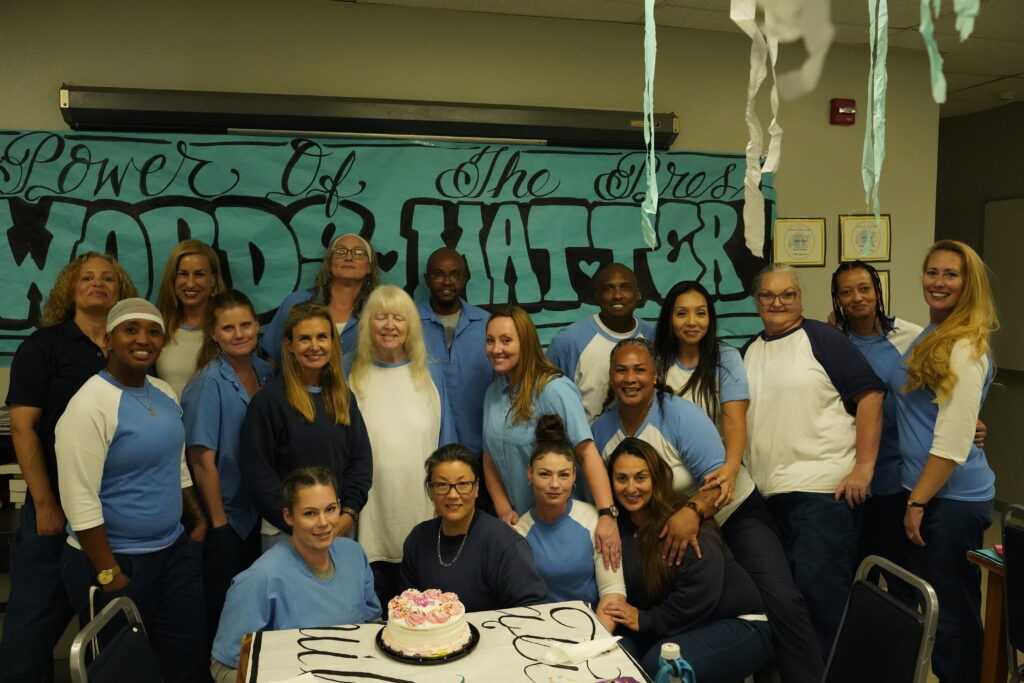
September marks one year of publication for CCWF Paper Trail, and this trail has been more hilly, winding and scenic than smooth and flat.
Our newspaper grew out of a question that many people at Central California Women’s Facility (CCWF), including Warden Anissa De La Cruz, have asked over the years: What about the women’s facilities? And it answers it multiple ways. It is the first channel for residents of CCWF to have a collective voice. It is also the first publication entirely written by residents inside a women’s prison to be distributed in print throughout the state as well as online.
Paper Trail advocates for the women’s prison population, which has been particularly marginalized and underrepresented. We work to reinforce a sense of accomplishment and responsibility in our residents. We hope to change the public perception that felons are only worthy of being locked away and forgotten about.
And we show that we can be caring, productive members of society. In more than 120 published stories, our colorful newspaper has showcased the many successes of our residents, including the very first college graduation for California women prisoners, through Fresno State University, in 2025.
The Pollen Initiative drove the creation of our media center with an intensive journalism course presented by journalism advisors Jesse Vasquez and Kate McQueen (who is also on the faculty of the University of California Santa Cruz Writing Program).
Our paper’s editorial board was elected out of the original journalism cohort, which defined our mission and vision as well as our operating procedures. The process has been, as McQueen says, like building the plane as we’re flying it. Yet by aiming high and stretching our limits, we’ve created this space for sharing the rehabilitative efforts, successes, challenges, legal updates, trends, opinions, and other events that impact our peers. To make each issue a reality, our inside team, volunteers and advisors put in around 600 collective hours a month.
A fundamental challenge this year has been limited access to the media center. With only two days per week to work as a team, how do we do it? Our editors and writers are often brainstorming, writing or reviewing in housing units, while waiting in the clinic for a medical appointment, or even while on the ground (literally) during “yard down” for medical emergencies and other alarms. It takes focus and dedication to produce this way, and our editorial board members volunteer out of collective ambition and heart. As one member commented, this commitment to a second (or even third) job sometimes means sacrificing other potential activities or even self-care.
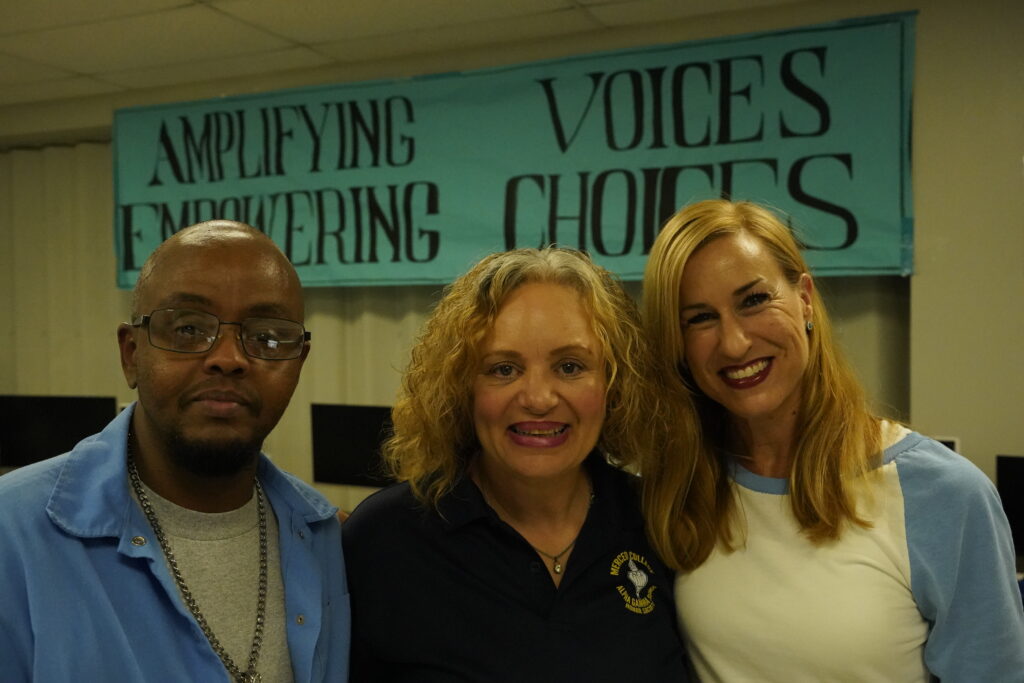
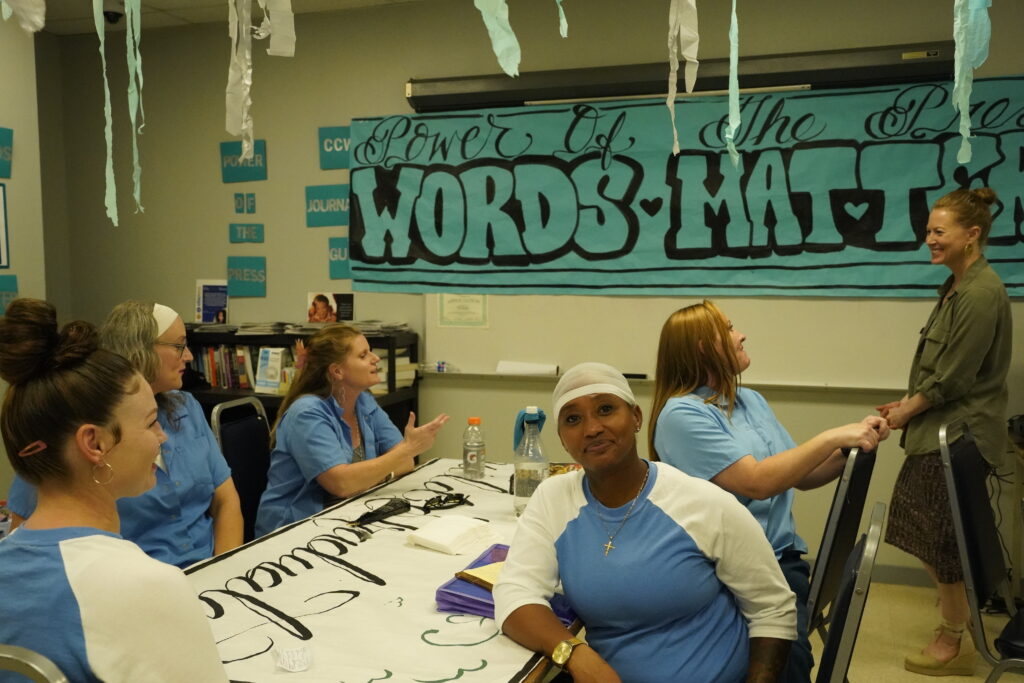
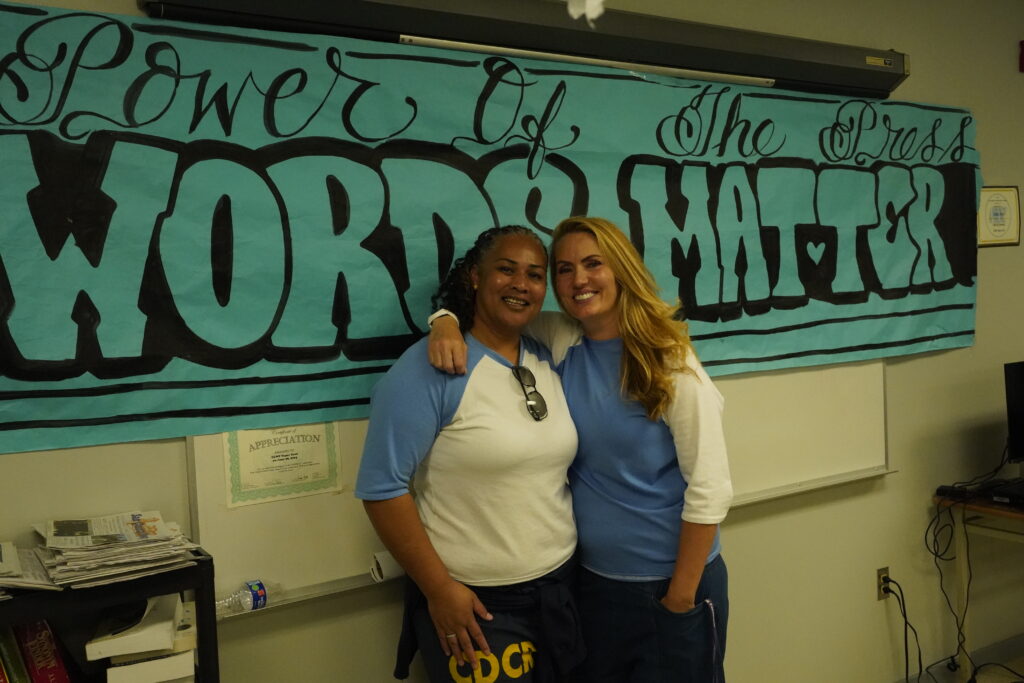
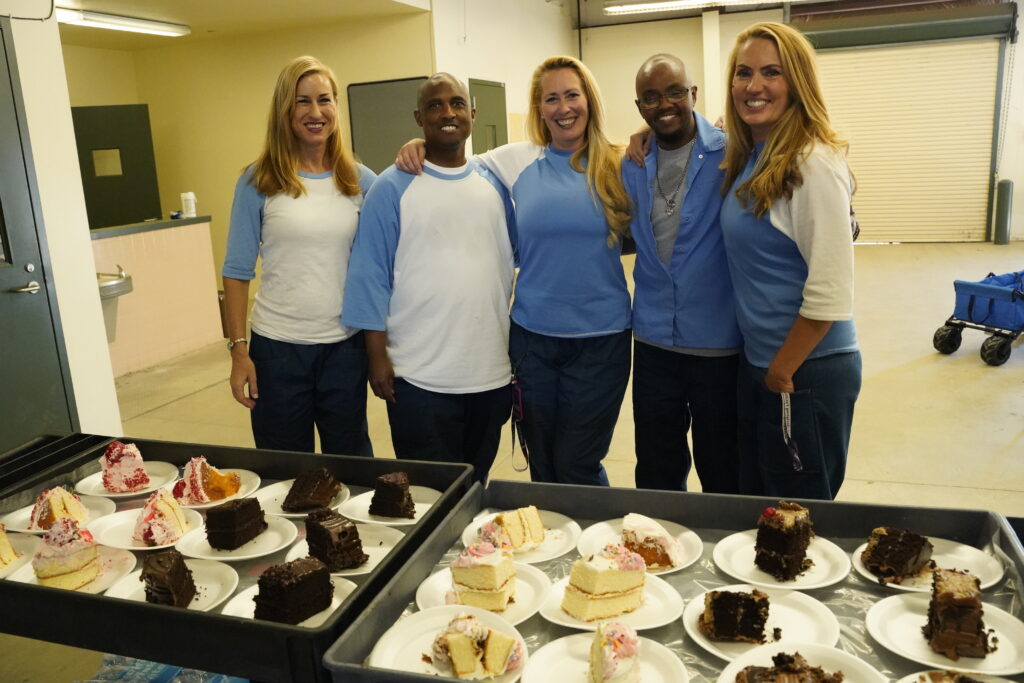
We were surprised at how slow the outfitting of our small organization could be. Though we expected administrative delays, we found ourselves flying that plane without a door or parachute for longer than anticipated. For example, after over a year, we still don’t have a printer inside the media center. However, it’s a testament to the resourcefulness and creativity of our staff that we produce eight pages from six computers, with no printing capability.
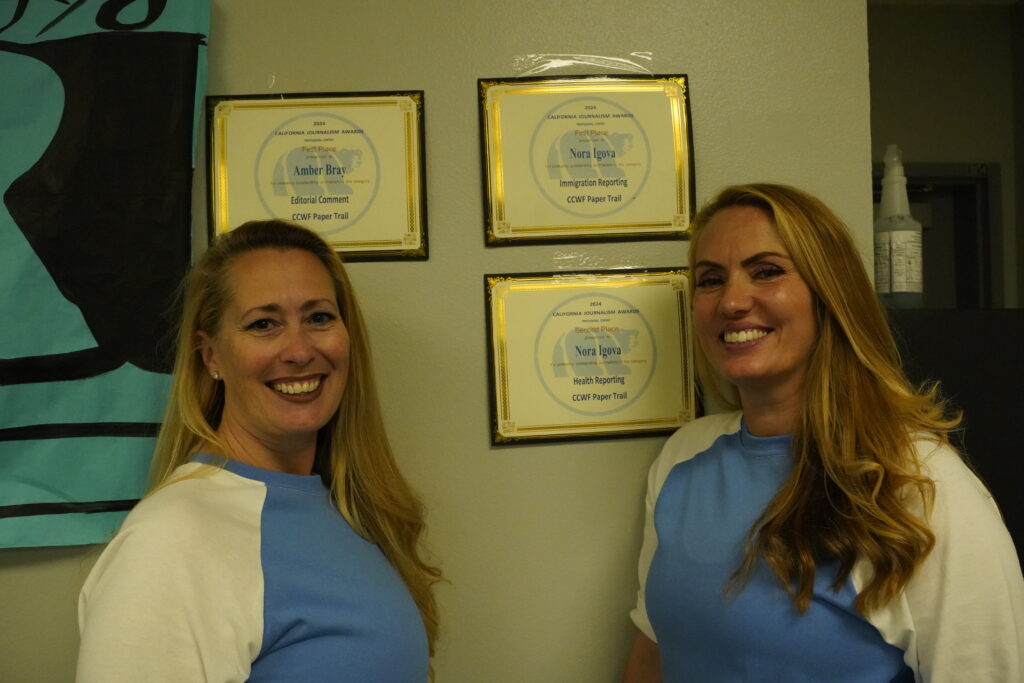
Now, not only have we distributed a groundbreaking prison publication, but Paper Trail is an award-winning newspaper, selected second place overall by the Stillwater Prison Journalism Awards. Our journalists earned individual awards from the California Newspaper Publishers Association: Megan Hogg won second place for her farmer’s market feature story, Amber Bray’s editorial commentary won first place, and Nora Igova secured first place for her immigration reporting and second place for her mental health article.
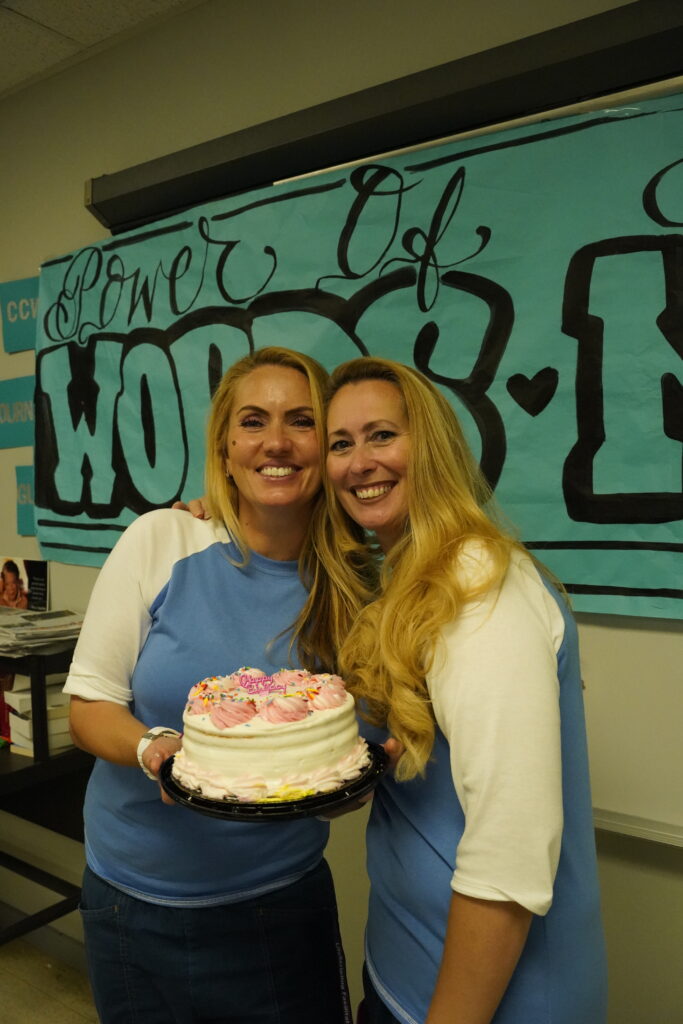
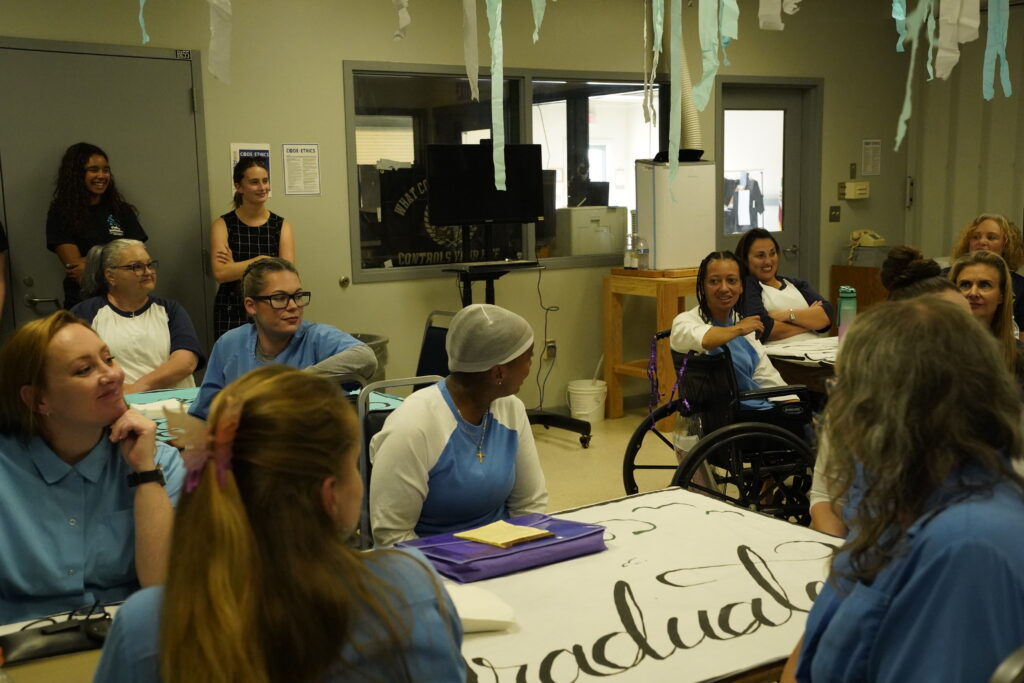
Paper Trail has also hosted two of our own journalism graduation events with in-person and Zoom attendance by graduates’ family members as well as our incarcerated peers. Our media center receives periodic visitors including leaders from Sacramento, journalistic outlets and writing experts.
What are our goals for year two? We’re excited to welcome new writers who bring fresh perspectives. We’ll grow our writing pool through a third Journalism Guild cohort. We’ll continue advocating for our community and our supporters outside. We hope to win more awards, and see the facility recognize journalism as a job and an accomplishment.
The Paper Trail embodies intangibles like agency, compassion, and sense of belonging which strengthen our community and connect us with the outside world. Our outside supporters relish reading our work, and perhaps find meaning and relief in how we optimize our time while incarcerated. Our publication also disseminates a priceless, necessary commodity: hope.
Endless thanks to our advisors, as well as to De La Cruz, Lt. Monique Williams, and the outside editorial volunteers who have made this dream possible.