
Staying in Touch
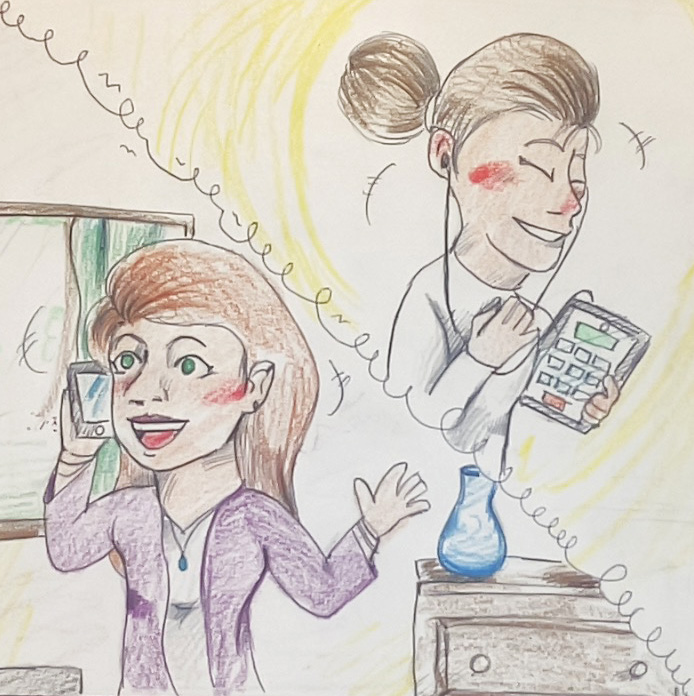
In prison, time suspends in a stream of unchanging scenery. Any indication that someone outside is thinking of you carries extraordinarily high value. This may come in tangible form, like a holiday card or a book. But it can be challenging to maintain intangibles like communication and emotional support, even when you truly care.
We care about our outside people too. I worry when I can’t get ahold of my 83-year-old mom. On top of having a daughter in prison, does she have help maintaining strength and remembering things as she ages and loses her friends?
As the years pass, prisoners with long sentences may feel increasingly forgotten. Time takes a toll on supporters as well. In addition to grief, they may shoulder anger, blame, or hopelessness. Support fatigue encompasses the weariness of waiting through appeals or parole denials, financial strain, feelings of helplessness, or a desire to move on emotionally. This can lead to frustration, or even verbal attacks or silence. But your incarcerated loved one still needs you.
How do you show support when the tragedy of incarceration feels like too much and you don’t even know what to say? How do you continue support when exhaustion surfaces?
First, you don’t need to say much. If you don’t know what to say, a short “Hey, I’m thinking of you” goes a long way inside. On any given day, this may buffer a prisoner from unbearable loneliness. Also, don’t let the lack of ability to give financial support stop you from staying in contact. Naturally, prisoners feel the need for decent food from canteen and other necessities like hygiene products. But knowing that you’re thinking of us is priceless.
The Value of Listening
Supporters: Your presence and attention have enormous impact. You might struggle to understand a prisoner, but often all you need to do is listen. If you can shift your perspective and withhold judgement, you not only give the gift of energy, you may learn more about how to help.
Our outside contacts play vital roles in our present and future; they orient us and help us prepare for reentry.
Prisoners: Your loved ones need to be heard too. Sometimes all you need to do is let them vent, even if it feels stressful. Remember that they face a chaotic world too, and they don’t have you there. Don’t expect them to relate to having every movement controlled and no internet. Try to imagine yourself in their shoes; listening without interruption is a powerful way to show you care.
You might perceive a growth gap between you and loved ones. While you work on emotional processing and insight, supporters may be enmeshed in free-world survival or may continue older thinking patterns. Conversations may feel like speaking different languages. Try adjusting your expectations and focusing on simply appreciating your loved one’s time and energy.
Tips for Talking with a Prisoner
First, avoid pulling a prisoner back into criminal activity or substance use when they’ve decided to move away from those. The goal is to get out and stay out.
Convey optimism. Refrain from telling a lifer or life without parole prisoner, “You’re never getting out” or “It’s going to be a looong time.” This weakens or even destroys hope, which can prompt criminal behavior or despair.
Understand that blame or condemnation does not produce positive results, and you can’t force accountability. Even if a person is in denial about what they did, blame won’t lead them to responsibility.
Offenders work to understand the impact on victims and their own families/friends. When addressing pain or disappointment, base it in your feelings: “I feel hurt, I miss you, I want to understand why you did it…”
Consider working on forgiveness and acceptance of the person they are now. None of us is defined by a single action or even period in our lives; we’re all human and can grow and be of service to others.
Above all, offer hope (even if you don’t fully feel it!). Hope is a thread that prisoners hold onto desperately; it’s about mental health and survival.



You’re my favorite staff writer. You wrote “Understand that blame or condemnation does not produce positive results, and you can’t force accountability. Even if a person is in denial about what they did, blame won’t lead them to responsibility.” Seems very true to me – I haven’t seen much in accepting responsibility from much of the writers but that level of acceptance, especially amongst convicted murderers, may not be possible, though it can offer healing for both victims and perpetrator alike. For most lifers, accepting responsibility may be their only avenue out, but they seem to struggle with that. Keep up the great writing.