Language barriers in the parole process
People with low English proficiency struggle with legal proceedings like parole board hearings
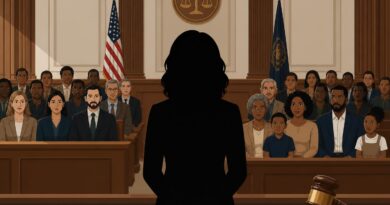
Appearing before the Board of Parole Hearings is a stressful experience for any lifer or long-termer. Writing relapse prevention plans, parole plans, statements of insight, and all the assorted documentation that BPH requires is difficult, even for native English speakers.
But, what if English is not your first language? What if it is a language you can barely speak, let alone write? Some residents of Central California Women’s Facility (CCWF) find themselves in this category.
Translators for widely spoken languages can be easily obtained. Spanish-speaking parole candidates frequently receive telephonic translation services to ensure they can participate in the parole hearing. Other languages are also translated. But not all.
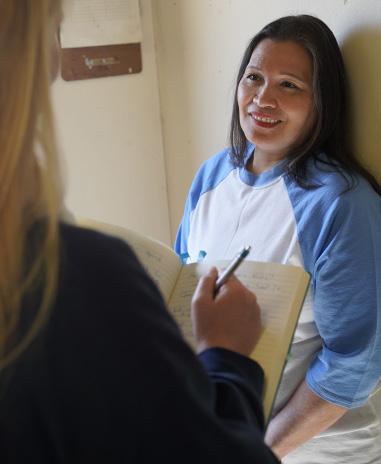
Jesusa Tatad, a Filipina resident of CCWF, speaks Visayan. For her, the prospect of a parole hearing is more anxiety-provoking and intimidating than for most. In fact, she has postponed her last two parole hearings and plans to postpone her hearing this year, in part because of the language barrier.
According to Encyclopedia Britannica, Visayan encompasses three specific dialects of the Philippines, which are spoken by approximately 28.7 million people or a third of the country’s population. However, Asian Americans make up only 2% of California’s incarcerated population, according to data from the California Public Policy Institute. Because that is such a small number, finding a translator for someone in need becomes even more difficult.
Tatad is typically offered a Tagalog translator because a translator in her own language cannot be located. But, since it is not her actual language, difficulties in communication occur. When she meets with an attorney appointed for her, a translator is also required, which poses further logistical issues.
“I need [an] interpreter for my language exactly,” Tatad said. “I understand some [Tagalog] words but I don’t understand [what] everything means.”
Tatad is aware of the requirements to be found suitable for parole and understands she needs self-help groups in order to gain insight into herself and why she committed a crime. However, Tatad’s language barrier also makes it difficult for her to enter these groups.
“I don’t have the groups I need yet because I don’t understand all of the words,” Tatad said. “When I think about [the] Board, I am stressed. I am shaking in my body, [I’m] so scared.”
Tatad says a Visayan translator would help her feel more at ease about the entire process. Barring that, Tatad could ask an English-speaking friend at CCWF for help in drafting the paperwork necessary to present to BPH. But, Tatad is unsure if documents translated for her would be accepted. A former attorney told her that she would not be able to submit documents written in Visayan to BPH because the commissioners would not understand them. Tatad also fears she wouldn’t be able to answer the board’s questions in person.
Imagine yourself at your parole hearing. Imagine you have to explain why you committed an act and how you have changed in the intervening years. Now imagine yourself in a country where you do not speak the language and are trying to address those issues without the benefit of a translator.
When some individuals cannot meaningfully participate in the parole process, injustices can occur. All people who require interpreters should have access to them to ensure a fair parole process.