San Francisco District Attorney’s visit fosters intervention and healing
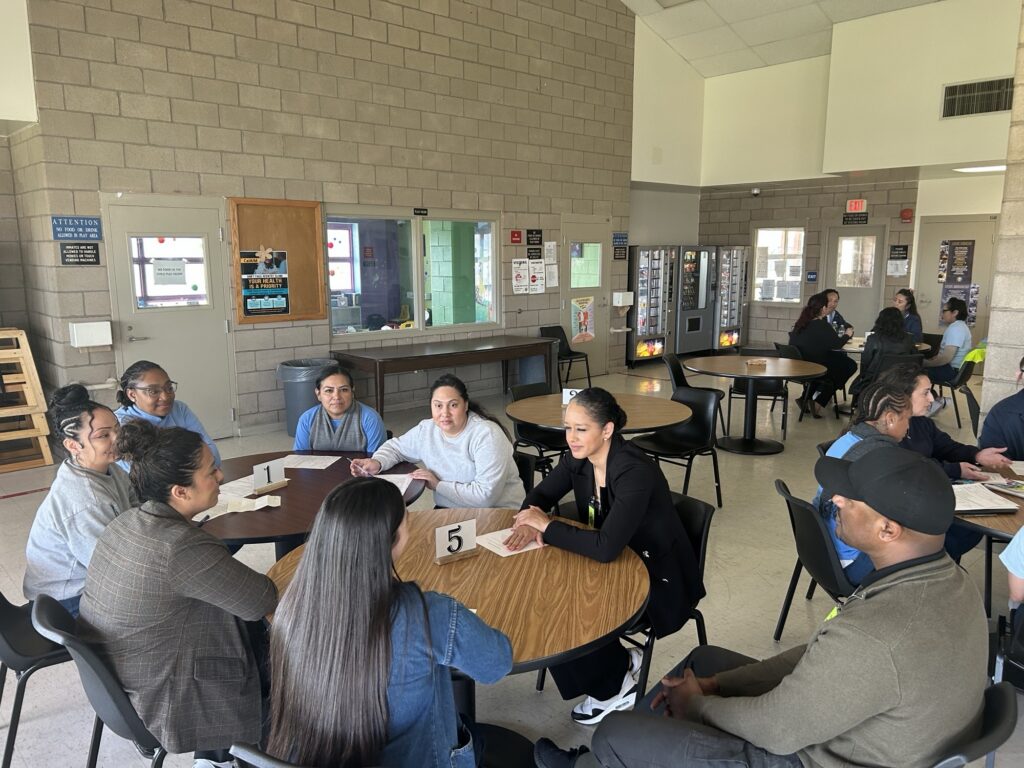
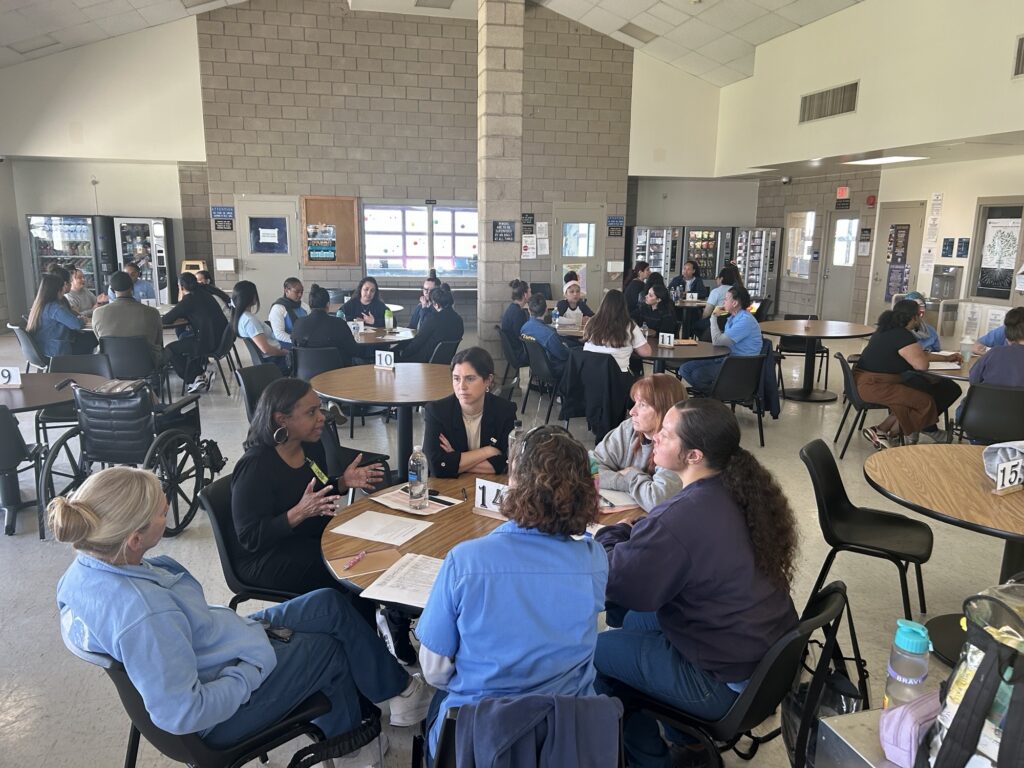
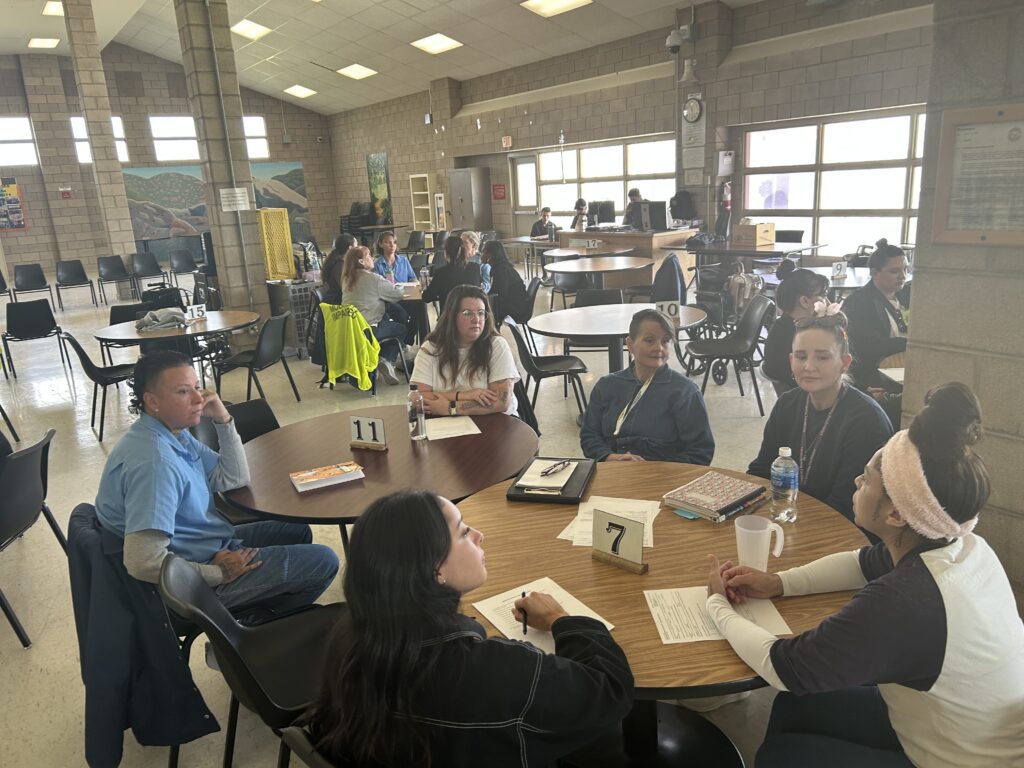
A select group of Central California Women’s Facility (CCWF) residents met with representatives from the San Francisco District Attorney’s (SFDA) office on Wednesday, Feb. 25.
Part of the SFDA’s Access to Hope initiative, the event aimed to give residents an opportunity to share their challenges, rehabilitation efforts, and ideas for crime intervention and reentry. This was the second visit to CCWF by the SFDA’s office, and it follows a similar symposium series at the San Quentin Rehabilitation Center.
District Attorney Brooke Jenkins opened the day with a message of hope. “We want you to know as women that we hear you,” said Jenkins. “You are more than your crime, and we hope that you stay positive.”
Public Information Officer Lieutenant Monique Williams relayed her support for the initiative as the entire group was seated together in a large circle, and encouraged residents to share why they were here. The CCWF group was comprised of prisoners with serious crimes and long term or life sentences.
Public Information Officer to the District Attorney Randy Quezada described this event as “an opportunity to learn more about the impact of the system on individuals, and ways to improve that from the prosecutor’s side. It’s about safety and accountability.”
The forum shifted to a more personal level as attendees broke into small groups, each table bringing together two SFDA’s office representatives with multiple prisoners. They posed questions designed to illuminate causative factors to crime, possible preventive or intervening factors, and residents’ rehabilitative efforts as well as what they feel is missing from the reform and reentry processes.
The questions began with, “As a woman… what is the greatest challenge you have had to overcome while being in prison?”
Common themes in the women’s histories included a lack of support with motherhood or addiction, and a lack of knowledge around healthy versus unhealthy relationships.
Residents delved into trauma or an absence of help from authorities or social services which ultimately led them to criminal behavior. Many shared ideas for criminal justice improvements, and for additional programs which would help with healing and reentry preparation.
When sexual abuse prosecutor Leigh Fraizier asked about internal challenges which may be hard to see from outside, women at her table mentioned a need for cultural change around internal abuse and its reporting and prevention, as well as a need for safer work practices.
Attendees placed great value on education and expressed gratitude for relatively recent higher education opportunities, including the Bachelor’s program with Fresno State University. Several agreed with resident Joanna Gomez’s request, “We need help with getting up with the times. Some of us don’t know how to get connected and function with technology.”
Others expressed a desire for surrogate dialogue (opportunities to talk with victims of crimes similar to our own), as well as incredulity that the recent Town Hall on menopause was a first occurrence.
Fraizier commented that prosecutors don’t have contact with people who’ve committed crimes.
“This is an opportunity to learn something I’m typically blocked off from,” she said. “I’m interested in, can this be a place for healing and rehabilitation? I’m so grateful for your being open with us.”
“We would like to do this twice a year, to continue this progress,” said Jenkins.