Comfort Care celebrates caring for others

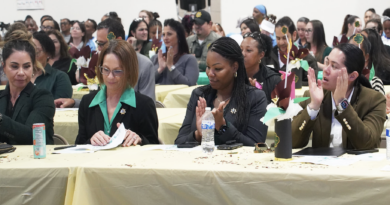
On Dec. 19, 2025, Central California Women’s Facility (CCWF) celebrated the second annual Palliative Care graduation, rolling in the next wave of Palliative Care workers and Comfort Care volunteers.
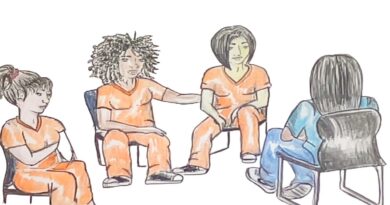
Comfort Care is a program that trains residents to support other incarcerated people reaching the end of life. Comfort Care workers learn day-to-day tasks for the Skilled Nursing Facility (SNF) and palliative care in the Transitional Care Unit, including helping residents in and out of bed, writing a letter, reading a book, cooking noodles, washing and folding laundry, filling out canteen forms, and putting the items away. However, the most important thing these individuals do is simply being present while patients are in their end-of-life cycle, which can include sitting vigils for patients and grief counseling for anyone experiencing loss.
Some graduates go on to take paid positions in palliative care, while others remain volunteers.
The Dec. 19 celebration included 13 graduates, as well as many people who helped create and keep the program active.
Program co-founder Judith Barnett, who was formerly incarcerated at CCWF with a life without the possibility of parole sentence, attended, as did registered nurse Adela Perez, who oversees patients with dementia, cancer, and other diagnoses that require 24-hour treatment in the SNF. Fernando Murrilo, a formerly incarcerated advocate for hospice care in the men’s facilities, was also present. Additionally, friends and family of the graduates came to show their support.
The visiting area was filled with laughter and tears as the ceremony took place, and many speakers shared experiences and words of wisdom.
Alistair Shanks, the Palliative Care Program Manager of the Humane Prison Hospice Project, expressed his gratitude to the people who helped shape this program. He addressed the graduates and said, “It is about witnessing each other with compassion and dignity.”
CCWF Licensed Clinical Social Worker Sarah Salonen spoke with pride when she said, “The work of caregiving is the most meaningful thing we can do for our fellow human beings.”
Perez spoke about what it was like to be a caregiver. “It’s not small, it’s not easy, but it means a lot,” Perez said. “It’s about showing up to provide comfort when medicine is no longer helping.”
The graduates who spoke shared their stories about how just two weeks of training has changed them, and the way they view life and death. Graduate Cheryl Busch expressed why she felt compelled to become a comfort care worker.
“A while ago, my friend was dying, and I couldn’t be there for her physically,” Busch said, “so later, I decided to apply for Comfort Care. That way, I could be there for others who are suffering through similar situations, like my friend in the community.”