April Fools’ Day
CCWF’s residents carry on the joke-telling tradition
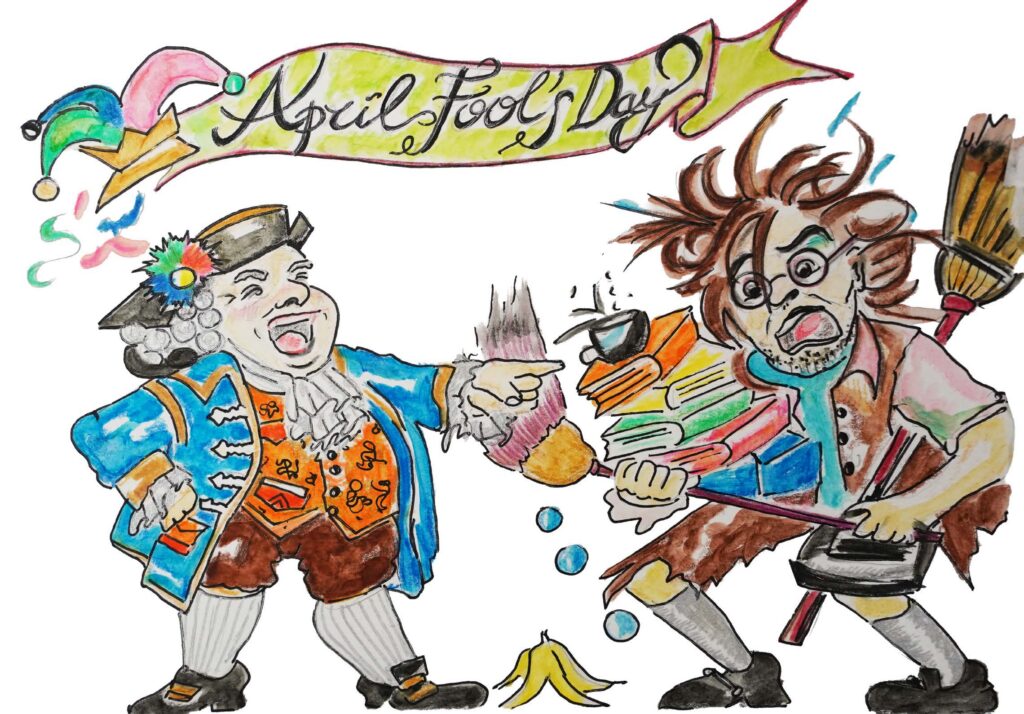
Have you ever wondered where the traditional joke-telling day of the year came from? There are many theories dating back to the 16th century that paved the way for what we know today as April Fools’ Day.
According to the History Channel, the most popular theory of April Fools’ Day comes from the French calendar change in 1582, when the new year was changed from April 1 to Jan. 1. Those who neglected the change were made fun of, “sent on fool’s errands,” and were labeled “April Fools.”
Another theory comes from a Flemish poem dating back to 1561 that rhymes about a servant being sent on fool’s errands: “The servant ran hither and tither…carrying his messages that served no purpose…The nobleman called him a fool, and the day was marked in a prankish rule.”
Throughout Central California Women’s Facility (CCWF), April Fools’ Day is both embraced and loathed by the population. People get a kick out of seeing others fooled, but who enjoys being duped?
Over 400 years later, CCWF residents are still carrying on the joke-telling tradition. The population had mixed opinions about April Fools’ Day, but two things they had in common were their mischievous smiles and animated responses.
“April Fools’ Day is prank day…I can’t wait,” said resident Jasmine Jackson.
She said she would prank anybody. One year, Jackson put peanut butter on a toilet seat that her entire room shares. On an early April Fools’ morning, one of her roommates failed to turn the bathroom light on before using the commode and sat in the peanut butter.
“I have no limit,” Jackson admitted. “It’s probably not funny for the other person, but it gives people something to look forward to.”
People like to laugh, that is for sure. But not all jokes are going to be funny for everyone. Others may use different types of humor in order to cope with difficult situations.
New resident Amy Black played a joke on the date of her sentencing. Black told everyone she was going home after court. She said everyone was crying when suddenly she yelled, “April Fools!”
Black was not being released but instead had received a 15-to-life sentence. She said that most people responded with laughter, while others got mad. Although this kind of joke can be a huge let-down to others, she said it was not meant to do harm.
Finding a balance between harmless jokes and jokes that can cause problems for others is crucial for some residents.
Long-term resident Michelle Ozaeta said, “I love April Fools’, but it depends on the prank.”
Ozaeta is still disturbed by an April Fools’ phone call she received about someone getting into a car accident. She said that some people go too far, though she quickly recovered, saying, “But April Fools’ is a ‘holiday,’ so it’s a free-for-all.”
A tradition that has been ongoing for centuries is probably not going anywhere anytime soon.
April Fools’ Day can be positive or negative; fun or not. But one thing remains true: “It’s a day you can prank people,” resident Sandra Dillard said, laughing. “Just don’t take anything too seriously.”