Out of the ‘pine box era’
CCWF holds Board of Parole Hearings Townhall Meeting
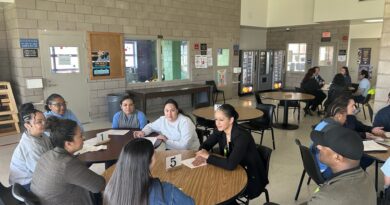
On Jan. 23, 2026, Central California Women’s Facility (CCWF) held its first Board of Parole Hearings (BPH) town hall meeting with three representatives of the board.
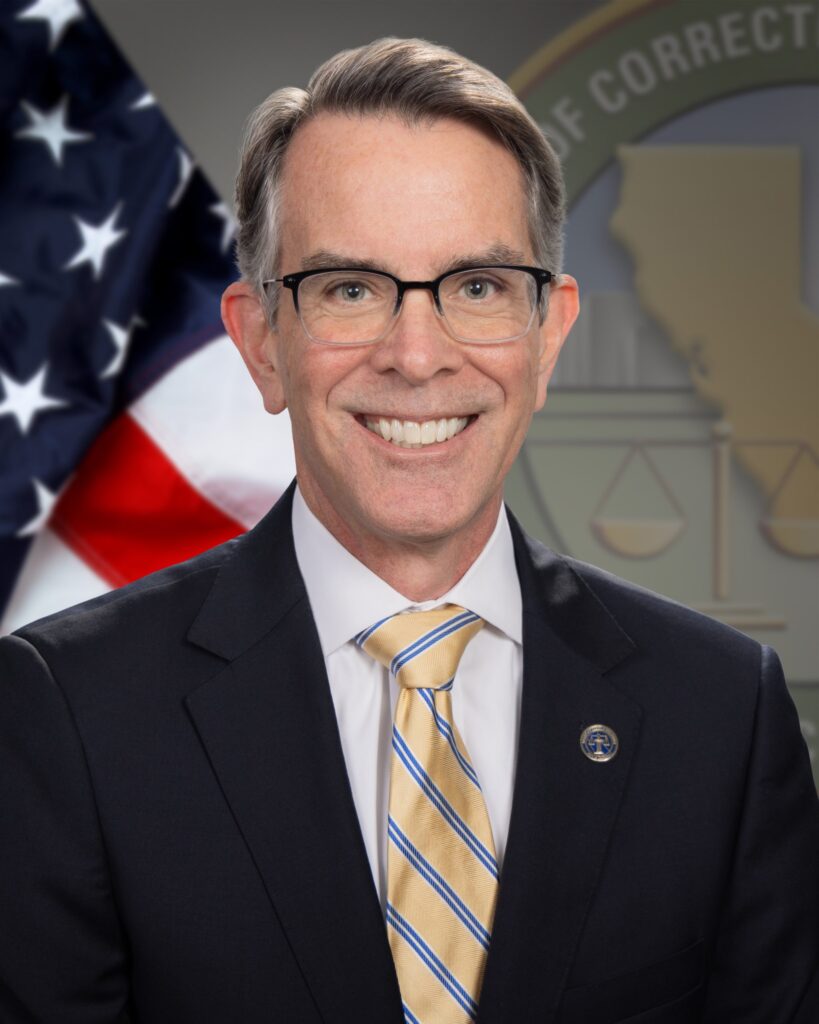
In attendance was BPH Chief Psychologist Dr. Jasmine Tehrani, who specializes in Comprehensive Risk Assessments (CRA). Tehrani has been in the field for 20 years and is currently responsible for the training and overseeing of other psychologists in BPH. She was joined by BPH Chief Council Jessica Blonien, who has more than 25 years of state service and who has reviewed BPH files for the past six years. Board of Parole Hearings Executive Officer Scott Wyckoff, who was an attorney before becoming Executive Officer on Jan. 2, 2025, provided much of the sessions’ information.
The purpose of the sessions, according to Wyckoff, was to answer questions, dispel myths, and provide information so that people feel well prepared for the BPH process.
All incarcerated individuals scheduled for BPH within the next 16 months were granted the opportunity to attend. Approximately 80 residents took part.
CCWF residents were grateful for the opportunity to attend. Incarcerated individual Maribel Lopez said, “this is a very important day. I will have the opportunity to ask questions straight from the source.”
Retired Secretary of California Department of Corrections and Rehabilitation (CDCR) Kathleen Allison opened the floor by introducing all members of BPH. The room was quiet. The incarcerated population was serious, alert, and focused.
Wyckoff informed the population that the BPH scheduled 270 hearings for women last year. One-hundred-twenty-nine were conducted and 56 received grants equaling to a 43% grant rate. Overall, the grant rate was 31%, meaning approximately one out of two women got a grant. Wyckoff said, “your work will be recognized.”
The visiting BPH representatives told the audience that they are frequently asked by lawmakers, “what gives you joy about your job?”
The most common answer is, “granting parole.” Wyckoff said commissioners believe in the power of redemption and change. They find comfort in knowing they are releasing a person back into society that is no longer a risk.
“You must put in the hard work,” he said. “You will be heard, you will be treated with dignity, and your work will show you are no longer a risk.”
On the contrary, a commissioner’s number one fear is releasing someone who reoffends, harms someone, and returns to prison. It is a difficult decision. However, the BPH representatives said that Board’s guiding principle is to treat everyone, victims and offenders, with respect and dignity.
Wyckoff’s opening remarks addressed the most common questions board asks during a hearing: Who were you then? Who are you now? And how have you changed? This is significant in acknowledging the shift that has happened in the way the BPH operates in the last two decades.
Wyckoff was candid about the reality of what he termed as the “Gray Davis Era.” During the time that Gray Davis was Governor of California, almost no one serving an indeterminate sentence would leave prison through the parole process. Instead, the only way out of the CDCR’s custody for these individuals, was death.
This resonated with incarcerated individual Eva Fierro.
“I’ve been incarcerated since 1997,” Fierro said with tears in her eyes. “When Wyckoff’s spoke, I was stabbed with reality… nobody talks about the ‘pine box era.’ When I arrived in prison, I was told by R&R [Receiving and Release] officers to write a will because the only way I’m going home is in a pine box.”
Over the years there has been a shift in BPH. Prior to 2008, offenders were denied parole based on their crimes. However, the landmark California Supreme Court decision “In re Lawrence” made a huge change in the operation of hearings since BPH can no longer rely solely upon static case factors to deny parole grants. Today if you are granted parole, “you earned it.”
BPH takes their responsibilities seriously since public safety is their paramount concern. Additionally, commissioners must follow the law as outlined in the Penal Code, Title 15, Division 2, and established court precedent to determine if someone is suitable for parole.
Wyckoff, added, “You must work hard for personal change and answer who you were then? Who you are now? What has changed? What was going on in your life to contributed to your risk factors? You need to be able to identify these factors, show programming, introspection, and insight. There is no formula! Commissioners recognize and individualize assessments appropriately. They also understand you are not the same person you were 17-20 years ago.”
Wyckoff, Blonien, and Tehrani ended the presentation by answering questions from the incarcerated population.
“I’m always impressed on how thoughtful the questions are, “ Wyckoff said in closing. “Women are here because they want to succeed and provide hope when they go home.”