Proposed bill would expand youth offender parole
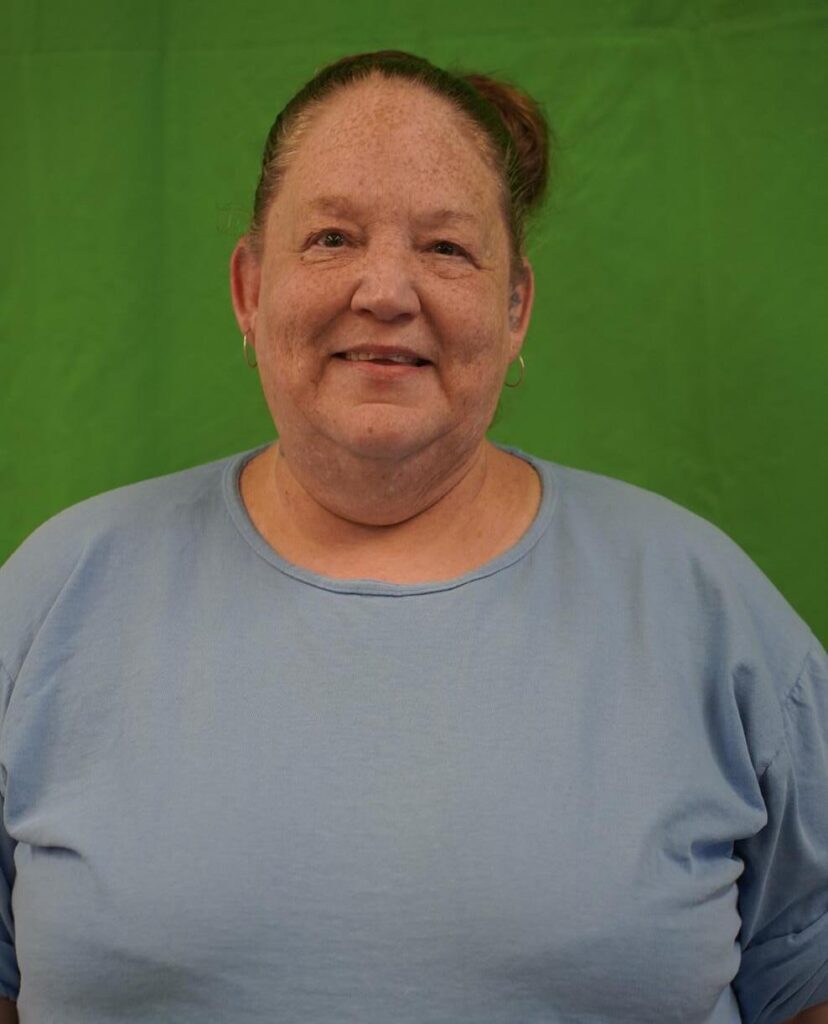
In 1993, Tabatha Brown, two of her siblings, and two other individuals were arrested for murder. Brown, who was 18 at the time, was the oldest of those arrested; her four codefendants were juveniles. Brown and her younger sister were both sentenced to life without the possibility of parole (LWOP). Now, 32 years later, Brown is the only person still in prison for this offense.
However, Senate Bill 672, authored by California Senator Susan Rubio (D-Baldwin Park), could allow Brown an opportunity for parole. The bill, dubbed the Youth Rehabilitation and Opportunity Act, would extend parole hearings to LWOPs convicted when they were under 25 years of age, after serving 25 years of their sentence.
Should the bill pass, the Board of Parole Hearings would have to grant all such persons a hearing by Jan. 1, 2028.
SB 672 is a natural extension and evolution of California’s legislative activity and court decisions over more than a decade.
In 2012, the United States Supreme Court decided Miller v. Alabama, a case which held that a juvenile cannot be sentenced to LWOP without the sentencing judge considering various factors — factors which have come to be known as “the hallmark features of youth.”
Following that decision, the California Supreme Court invoked Miller in several cases and held that juveniles cannot be sentenced to LWOP or the functional equivalent of LWOP — 100 years to life.
In 2013, California lawmakers amended Penal Code 3051 to allow youth offender parole hearings for juveniles sentenced to LWOP. Penal Code 3051 was again amended in 2015 and in 2017, expanding youth offender parole hearings for young adults — those who were 18-25 at the time of their offense — and sentenced to life or long terms, but not LWOP terms.
In amending the penal code, the California legislature wrote, “It is the intent of the legislature to create a process by which growth and maturity of youthful offenders can be assessed and a meaningful opportunity for release established.”
However, that process has not yet been extended to young adult LWOPs, despite the neurological differences between youth and adults. But that may soon change.
Introduced on Feb. 21, 2025, SB 672 was passed by the California Senate and has been amended in an Assembly committee by press time, For many, this move is one step closer to freedom.
“SB 672 would give me a chance to go to board and be able to go home,” Brown said.
Her sister, with whom she had served more than 30 years, was released from Central California Women’s Facility (CCWF) last October and is adjusting well to life in the community. Brown has the support of her family and friends, and would like nothing more than to be able to show BPH how much she has grown and matured over the years.
“When I got here [to CCWF], I came through the gates, saw the barbed wire and I started crying. I thought, ‘This is where I’m going to be the rest of my life,’” Brown said.
When appearing before the classification committee, Brown said she was told, “You’re never going home. You’ll leave here in a pine box.”
Despite those sentiments, Brown said her faith helped her cope with her sentence. But coping was sometimes difficult for Brown.
“All my 115s [Rules Violation Reports] from when I first got here were for disrespect,” Brown said.
Eventually, Brown realized that rebelling was not going to accomplish anything.
“I was tired of doing extra duty. I realized I was not going to win,” she said.
Brown decided to look inward and started to address the issues she had carried with her from childhood. Brown, who was kicked out of her house at age 14, had turned to selling drugs in order to survive. She doesn’t want anyone else to have to go through what she did.
“I’ve gotten a lot of self-help groups that have helped me grow into the woman I am now. I can take that and help others,” Brown said.
Should Brown be granted parole, she plans to start a nonprofit to benefit at-risk youth by sharing her childhood experiences with them.
“If I can help one person stay out of jail or prison, I’ve succeeded,” Brown said. “Kids don’t know that they can be in a car with someone, not know what that person is doing, and end up getting caught up [in a crime].”
Educating at-risk youth on the potential consequences of their associations and actions is motivating to Brown.
Looking back at her life prior to incarceration, Brown said, “At almost 19, I thought I’d lived it all. Then you realize when you’re older that you haven’t lived at all because you haven’t had a chance. I’ve changed a lot over the years.”
Given the extent of her change, the decades of her incarceration, and the support she has, SB 672 would allow Brown to show these things to BPH and have a chance to be granted parole.